
Sharia-compliant ETFs are designed to meet the ethical and financial principles of Islamic law (Sharia), making them suitable for Muslim investors. These ETFs follow specific guidelines, such as avoiding investments in businesses related to alcohol, gambling, pork, and interest-based financial services. Instead, they focus on sectors and companies that align with Islamic principles.

When you’re just starting out as an investor, the world of stocks, bonds, and mutual funds can feel overwhelming. For many new investors, the idea of picking individual stocks or constantly monitoring the market seems daunting. This is where Exchange-Traded Funds (ETFs) come in—a simple, effective way to invest in a wide range of assets without the complexity.

When people think of making money in the stock market, they often imagine two things: quick, high returns and big risks. This thinking confuses two very different approaches to building wealth: investing and speculation. While both can be profitable, they carry distinct risks, goals, and strategies. Understanding these differences is key to making smart financial decisions, especially for people looking to grow their money steadily and securely over time.

The Surge in the AI Sector: Why NVIDIA is Leading the Charge In recent years, the technology sector has witnessed tremendous growth, with one particular area standing out as a game-changer: Artificial Intelligence (AI). AI, once a futuristic concept, is now a driving force behind innovations across industries. From self-driving cars and healthcare diagnostics to smart home devices and financial algorithms, AI is transforming how we live and work. The recent surge in AI development has sparked excitement among investors, and one company has emerged as a leader in this space: NVIDIA. In this article, we’ll explore why the AI sector is booming, NVIDIA’s critical role in this growth, and what it means for investors and the future of technology. Why AI is Experiencing a Boom AI’s rapid rise can be attributed to several factors converging at the right time: 1. Increased Computing Power: AI requires vast computational resources to process data, run algorithms, and learn from patterns. Advances in hardware, especially GPUs (Graphics Processing Units), have made it possible to handle the immense processing needs of AI systems. As these technologies evolve, they allow AI models to become more sophisticated and effective. 2. Big Data Availability: AI systems thrive on data. With the explosion of data from smartphones, social media, cloud computing, and the Internet of Things (IoT), there’s more information than ever for AI algorithms to analyze and learn from. This data drives improvements in everything from recommendation engines to predictive analytics. 3. Enterprise and Consumer Demand: Companies across all sectors are seeking ways to leverage AI to improve efficiency, enhance customer experiences, and innovate in their products. AI’s ability to automate processes, make sense of large datasets, and provide insights is creating demand in industries like healthcare, finance, manufacturing, and beyond. 4. Breakthroughs in Machine Learning: Advances in machine learning (ML) and deep learning—subfields of AI—are allowing machines to perform tasks that once seemed impossible, like understanding human speech, recognizing images, and even generating creative content. These breakthroughs are pushing the boundaries of what AI can achieve. Why NVIDIA is Leading the AI Revolution As AI grows, NVIDIA has positioned itself as a dominant force in this rapidly expanding sector. Originally known for its role in the gaming industry, NVIDIA’s Graphics Processing Units (GPUs) have become the backbone of AI computing. But why has NVIDIA emerged as such a key player? 1. GPUs are Essential for AI: While traditional processors (CPUs) handle general computing tasks, GPUs are designed for parallel processing—meaning they can handle multiple tasks simultaneously. This capability is critical for AI and machine learning, where vast amounts of data need to be processed at once. NVIDIA’s GPUs are considered the gold standard in AI research and development, powering everything from self-driving cars to natural language processing models. 2. NVIDIA’s CUDA Platform: Beyond hardware, NVIDIA’s CUDA (Compute Unified Device Architecture) platform has become a vital tool for developers and researchers working on AI and machine learning. CUDA enables software to leverage the full power of NVIDIA’s GPUs, making it easier for developers to build and scale AI applications. This integration of hardware and software has helped NVIDIA carve out a unique and dominant position in the AI ecosystem. 3. Data Center Expansion: While NVIDIA started in the gaming space, the company has rapidly expanded into data centers, which are critical for AI processing. NVIDIA’s A100 and H100 GPUs are now widely used in data centers around the world, powering AI applications for major tech companies and research institutions. These high-performance GPUs are designed to handle AI workloads with efficiency, making NVIDIA the go-to provider for AI infrastructure. 4. Partnerships and Acquisitions: NVIDIA has strategically invested in AI-related partnerships and acquisitions. Its acquisition of Mellanox Technologies (for data center connectivity) and Arm Holdings (for chip design) has expanded its influence in the AI hardware space. By creating an ecosystem that supports AI development from chip design to cloud infrastructure, NVIDIA has secured its place as a key player in the AI surge. What’s Driving NVIDIA’s Recent Surge? NVIDIA’s recent stock surge is directly tied to the explosion of interest in AI. Several key developments have contributed to this rise: - AI Adoption Across Industries: NVIDIA’s GPUs are essential for AI, and as companies in healthcare, finance, automotive, and other sectors integrate AI into their operations, NVIDIA’s hardware is in high demand. The company’s products power the AI systems used in self-driving cars, predictive analytics, and personalized recommendation engines, to name a few. - The AI Arms Race: With AI becoming a competitive advantage, businesses are investing heavily in AI infrastructure to stay ahead. Tech giants like Google, Amazon, and Microsoft are pouring billions into AI research and development, and they rely on NVIDIA’s GPUs to build their AI systems. This “AI arms race” is fueling growth in the demand for NVIDIA’s products. - ChatGPT and Generative AI: The emergence of Generative AI technologies, like OpenAI’s ChatGPT, has driven further interest in AI. These AI models require massive computational resources to operate, and NVIDIA’s GPUs are the industry standard for training and running these large-scale models. As AI continues to advance, NVIDIA’s role in powering these systems solidifies its dominance. - Strong Financial Performance: NVIDIA’s impressive earnings reports have validated its growth story. The company has posted record revenue, driven by AI-related demand, and continues to show strong financial results in key sectors like data centers and gaming. Investors see NVIDIA as a leader in AI, and its stock performance reflects this confidence. What Does the Future Hold for AI and NVIDIA? The surge in AI is not a short-lived trend. AI is expected to continue transforming industries, and NVIDIA’s position as a leader in the field means it will likely benefit from this growth for years to come. - Expanding AI Use Cases: AI will continue to find new applications in areas like healthcare, robotics, and autonomous vehicles. NVIDIA is well-positioned to provide the hardware and software solutions necessary for these innovations. - Growth in AI Cloud Services: As more companies shift to cloud-based AI solutions, NVIDIA’s products will be essential in powering these services. Partnerships with cloud providers like Amazon AWS, Google Cloud, and Microsoft Azure further solidify NVIDIA’s influence in this space. - Innovations in AI Hardware: As AI models become more advanced, the demand for cutting-edge hardware will grow. NVIDIA’s continued investment in R&D ensures it remains at the forefront of AI technology, driving innovation in GPUs and other AI infrastructure. Conclusion The surge in the AI sector is one of the most exciting developments in the technology world, and NVIDIA is at the center of this transformation. With its powerful GPUs, software platforms, and strategic investments, NVIDIA has become the go-to company for AI computing. As AI continues to reshape industries and drive innovation, NVIDIA is positioned to be a key player in the future of technology, making it a stock to watch for investors and a company leading the charge in AI’s next frontier.

One of the key advantages of Exchange-Traded Funds (ETFs) is their tax efficiency, which can help investors keep more of their returns. Here's why ETFs are more tax-efficient compared to other investment vehicles like mutual funds

ETFs offer a simple and cost-effective way to gain exposure to global markets, allowing you to invest in companies and economies worldwide with just a few trades. Here's how: Broad Global ETFs: ETFs like VT (Vanguard Total World Stock ETF) provide exposure to thousands of companies across both developed and emerging markets, giving you instant diversification without needing to pick individual stocks from multiple countries. Regional and Country-Specific ETFs: If you want more targeted exposure, there are ETFs that focus on specific regions or countries. For example, EFA (iShares MSCI EAFE ETF) focuses on developed markets outside North America, while FXI (iShares China Large-Cap ETF) gives access to leading Chinese companies. Emerging Market ETFs: For those looking to invest in fast-growing economies, ETFs like VWO (Vanguard FTSE Emerging Markets ETF) provide exposure to countries such as China, India, and Brazil, where rapid economic development offers significant growth potential.

Meta Platforms has consistently beaten analyst estimates in recent quarters, but the stock has traded down in 2026.
With inflation still well above 2 percent and little evidence of substantial labor market weakness, both factors point toward a less accommodative policy stance. Read more here.

A deepening chip rout drags the Nasdaq while Coca-Cola and Sherwin-Williams beats power the Dow; oil dives 5% on Iran diplomacy as the Fed meets.

AI rally at risk: Micron/memory stocks, hyperscaler capex shifts, data-center regulation, and weak AI IPO demand could spark a correctionâread now.

Microsoft could be the most important earnings report of the week with the stock a top holding of three major indexes.

Federal debt has surged to $40 trillion. AI-driven debt issuance is nearly $500 billion year-to-date. Read why debt could create challenges for the markets.

Leverage and complexity are gaining ground in todayâs late-cycle markets, signaling caution - not crisis - and underscoring the value of diversification and risk management. Read more here.

Daily breadth rebounded, but weak QQQ action and sub-50% participation across key timeframes keep the trend neutral with a negative bias.

The markets are mixed again in early trading with the Nasdaq Composite under pressure after yesterdayâs chipmaker fallout that also pushed down tech shares in South Korea and Europe.

VanEck Semiconductor ETF nears key $510â$520 support as bearish options positioning and negative gamma raise downside risk. Click for more on the sector.
The S&P 500âs 12-month rolling correlation with the Nasdaq-100 reached an all-time high of 0.98 in March 2026, as Information Technology now accounts for nearly 40% of the index.
Oil prices plunge 10% on Iran deescalation as equities rise; big tech AI spending faces scrutiny. Disinflation may keep Fed rates steady.

U.S. stock futures were mixed on Tuesday, as the Dow Jones and S&P 500 indices gained but Nasdaq 100 slipped, following Monday's mixed close.

Economist Justin Wolfers breaks down Trump's 99% "zombie tariffs," revealing why the forced labor loophole is a 24/7 nightmare for the US.

Earnings fundamentals remain strong and continue to support US stock prices. Click here for a detailed analysis.

Are Nvidia's billion-dollar deals a 'virtuous circle' or a tech bubble? Dive into the expert debate on the risks of AI circular financing.

Google, Microsoft, Meta, Amazon and Apple are on track to spend about $700 bln this year, against roughly $410 bln last year. Wall Street seems worried about the spending and the borrowing.

AI capex is surging as hyperscalers bet on costly closed-weight models while enterprises want cheaper open-weight options. Read more here.

The market has lost some conviction as the AI trade has become dangerously dependent on OpenAI and Anthropic. Read why a flush may come after a potential hike.

Markets were relatively unchanged at the index level last week, but beneath the surface there was rotation. Read more here...

Is Citadel's surprise Fed rate hike viable? Jim Bianco says 38% market odds mean it's close, but economist Bill Adams predicts a July pause.

Last weekâs developments in the U.S.-Iran conflict point to a more significant escalation risk.
Recent market volatility is not a healthy rotation; risk remains concentrated in semiconductors and expensive tech stocks. Click here to read more.
US earnings remain exceptionally strong. But the focus should also be on AI profit durability, not just another round of earnings beats. Read more here...

BlackRock's IQQ is gaining consistent inflows, while Invesco's QQQ remains the dominant Nasdaq-100 ETF despite cheaper rivals.

Bears continued to warn about speculative excesses, overvalued markets, persistent inflation, and geopolitical uncertainty. But the broader market data has painted a more balanced picture.

Aggressive Stock Buying Please click here for a chart of Invesco QQQ Trust Series 1 (NASDAQ:QQQ). Note the following: The chart shows QQQ is bouncing off of the top band of zone 2 (support). The chart

The PEG ratio is more bullish than it's been in 30 years. Yet, retail investors are selling. If growth is improving and valuations are attractive, why aren't investors buying?
Total orders for durable goods received by manufacturers in the US, including aircraft and defense, ticked up by 0.3% seasonally adjusted in June from May.

Implied volatilities were mixed across asset classes last week as oil prices spiked on renewed geopolitical tensions.

Chinaâs cheap, high-performance AI models may pop the AI CapEx bubbleâlike dot-com, but different. Open-weight rivals threaten U.S. dominance. Read more macro analysis here.

Oil crashes 8% as the U.S. pauses strikes on Iran, but a chip rout erases Wall Street's relief rally ahead of the Fed decision and Magnificent Seven earnings.

Wall Street economists can spend all day debating what the Federal Reserve might do, whether inflation is really defeated, and whether the economy is heading toward a soft landing, a hard landing, or some newly invented

Nvidiaâs Open Secure AI Alliance could boost open, secure AI and renew interest in hardware, cybersecurity and software stocks. Click for this look at AI stocks.

U.S. market breadth weakened sharply after July 10 as the major ETFs slipped below short-term averages while their longer-term trends remained positive.

The Leading Indicator came in at 54, with six of 12 components improving, one essentially unchanged, and five declining.

Investors will be focused on a number of mega-cap earnings reports and a Federal Reserve meeting that could surprise and/or disappoint.

Four of the Magnificent Seven stocks report quarterly results this week. A look at past earnings history and what to expect.
Todayâs median estimate has ticked up to 2.1% from 1.8% on July 18, while the Econoday consensus is slightly higher at 2.3%.

Yardeni says Dow Theory remains bullish as transportation stocks hit record highs, as the AI infrastructure boom supports the broader market.
Despite geopolitical risks and inflation fears, S&P 500 earnings growth has surged to 39.3%, supporting continued market gains. Read the full analysis here.

U.S. stock futures were rising on Monday, as the Dow Jones, S&P 500 and Nasdaq 100 indices advanced, following Friday's mixed close.

The current market is attractively valued, with the S&P 500's top 10 trading at a 21x P/E, far below 1999 bubble levels. Click here to read more.

Big Tech's AI capex boom is wiping out free cash flow. Discover how data center spending is changing tech investing forever.
Recent turbulence has turned the AI trade from a rewarding climb into dramatic day-to-day volatility.
Markets are split about the Fed's move on Wednesday, and with no forward guidance, we don't expect that to change.

Michael Burry says investors have delivered their verdict on Big Tech's AI spending, favoring returns over heavy capital expenditure.
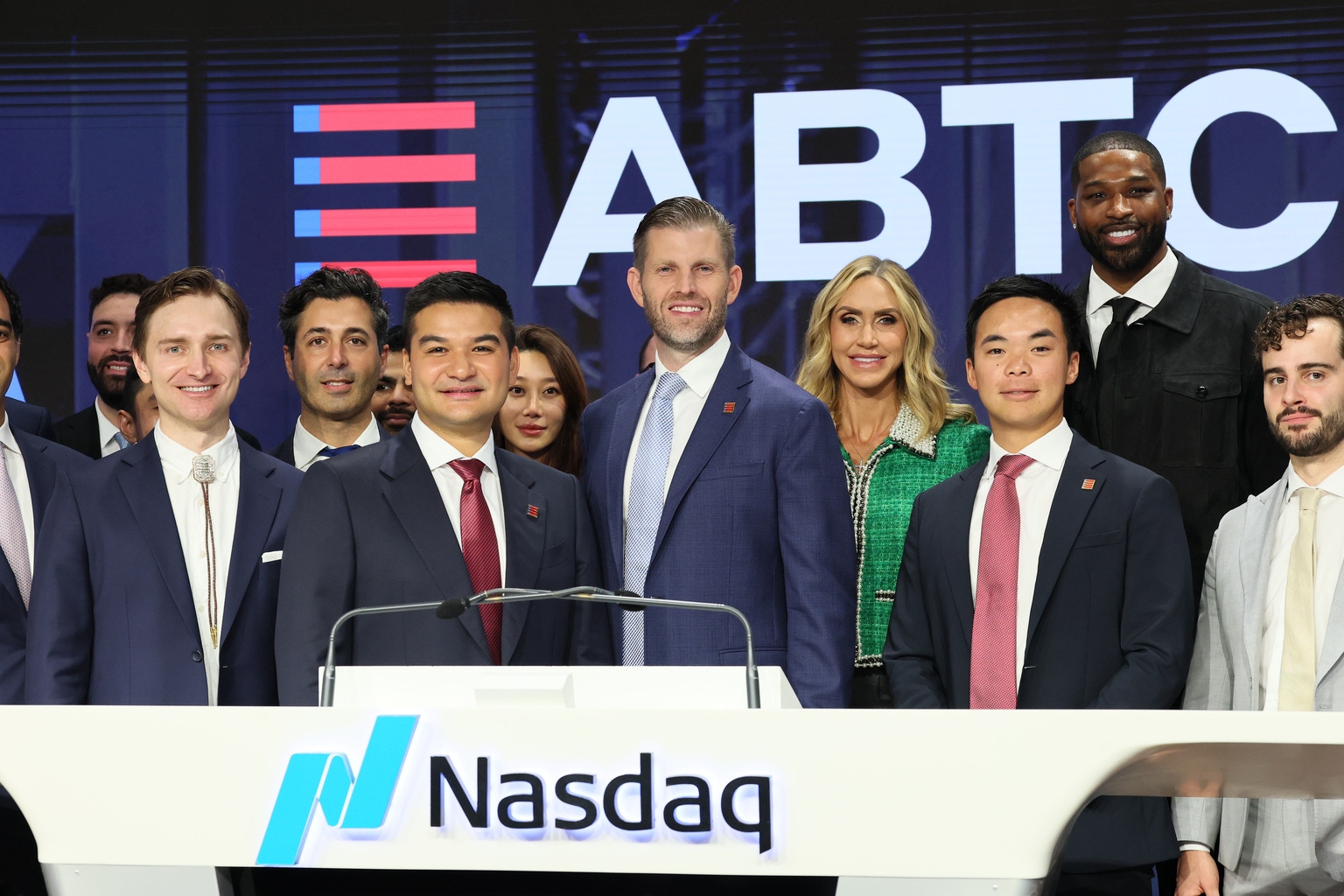
The QQQ's top holdingsâthat is, big tech stocksâare in an AI-driven arms race. Click here to read more on QQQ and why I rate it as a Hold.

AI investment is soaring as hyperscalers spend $673B in 2024, heading to $892B by 2028.

The top Magnificent 7 stocks to watch this week include popular names like Apple, Microsoft, Meta and Amazon.

Here are the top three catalysts that may drive the VOO, QQQ, and DIA ETFs this week, including earnings, Federal Reserve, and US-Iran war.

ETFs are having a strong year, with inflows surpassing $1 trillion and total assets under management steadily approaching the $16 trillion mark.

July FOMC outlook: markets price up to two Fed rate hikes as inflation re-accelerates.

Markets face a 3-way shockâMiddle East war, shipping disruption, U.S. tariffs.
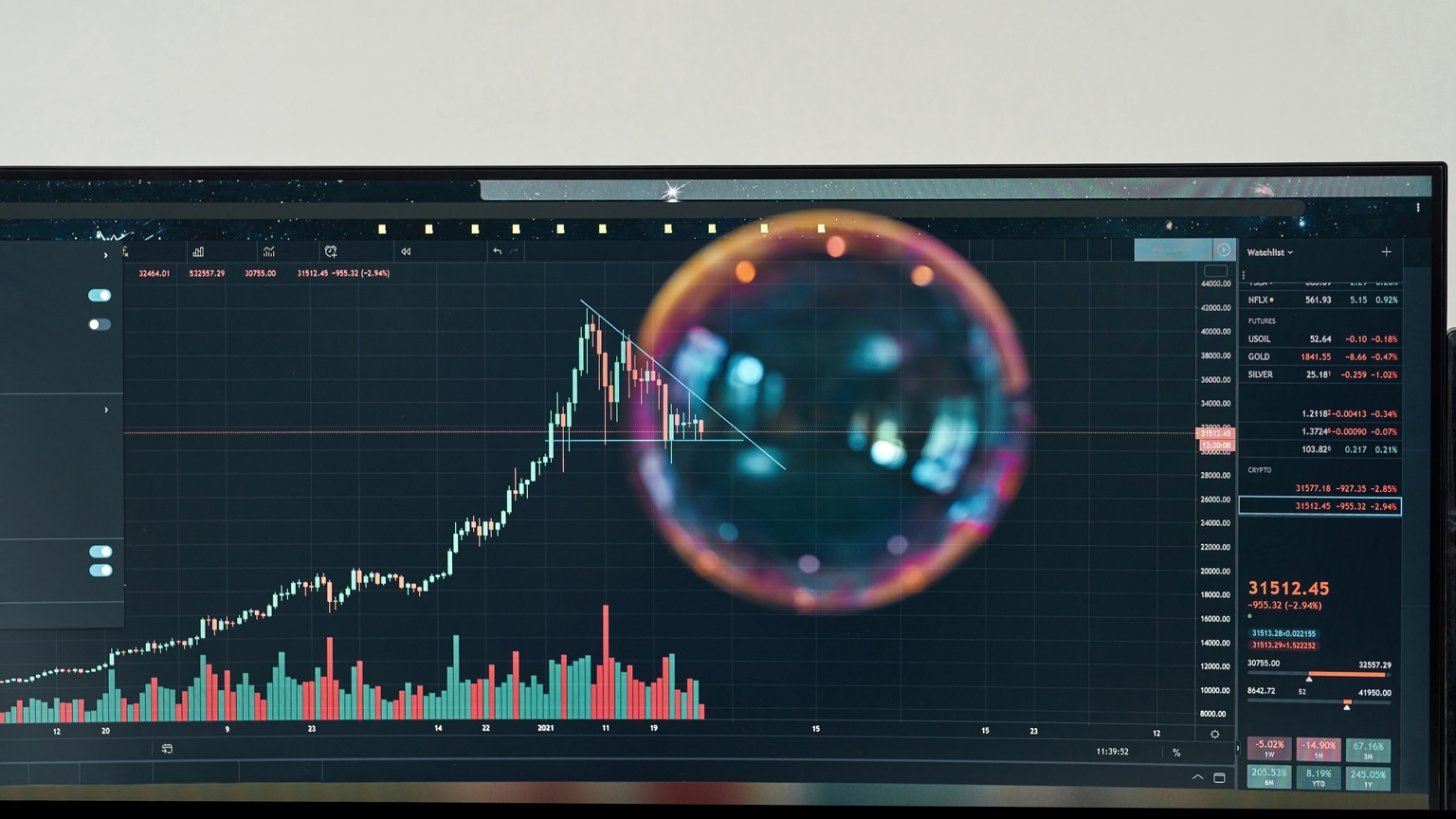
Equity markets are flashing multiple historical warning signals, including extreme Shiller PE ratios and record-high margin debt, suggesting elevated risk...

US equities stay bullish despite overvaluation and energy fears. Click for an updated market outlook.

Elevated market risk: topping semiconductors, oil-driven inflation, stretched S&P 500 valuations, and a pivotal Fed decision/mega earnings weekâread now.
S&P Globalâs flash PMI surveys showed economic growth across major developed economies strengthening in July to signal encouraging resilience in face of ongoing conflict in the Middle East.

S&P 500 finished week at 7,411.98, down about 0.6%, as an AI capex scare and an oil shock collided into its second straight weekly decline and the first back-to-back down weeks since March.
Keeping track of the Fed can be a complicated business.
SOXX is down 20% after a huge rallyânormal volatility in a semiconductor super-cycle fueled by hyperscaler capex.
Energy and commodities led gains last week, while tech and growth stocks faced significant selling pressure. Read the 1-minute market report here.

Tariff headlines fade as energy shocks and services inflation drive expectations. Click here to read more.

Mixed U.S. economic signals: long-leading indicators soften while stocks, jobs & spending stay strong. Read the full analysis here.

Crude surged another $6.82 this week to $89.31 - the high back to May - while boosting y-t-d gains to 55%. Read more here.

Last week, the Bureau of Labor Statistics delivered a cheery inflation report showing that the headline Consumer Price Index had actually fallen â yes, gone down and not up â for June.

The Chicago Fed National Activity Index (CFNAI) rose to -0.02 in June from -0.19 in May.

US-Iran tensions raise fat-tail risks for oil as US/Japan/Europe reserves near depletion; meme stocks like TSLA, PLTR vulnerable.

Oil price spike likely starting in August: data-driven outlook on supply disruptions, inverse stock correlation, and an investing plan for oil, stocks &...

One chart that concerns most and sharing the current outlook on the market and the long-term health of the economy. Read the full analysis here.

S&P 500 valuations look stretched as AI-driven earnings mask collapsing hyperscaler free cash flow and rising leverage. Click to read the full analysis here.

Crude fell about 4% on renewed US-Iran talk hopes, easing yields and fueling a broad rally in real estate, homebuilders and airlines.

Investors are taking a breather as they buckle down ahead of the weekend and as oil prices calm down after yesterdayâs increase.

CPUs For Agentic AI Please click here for an enlarged chart of Intel Corp (NASDAQ:INTC). Note the following: This article is about the big picture, not an individual stock. The chart of INTC stock is

Technology stocks, led by the Mag Seven, suffered their largest single-day decline in over a year amid rising oil prices, interest rates, and dollar strength. Read the full analysis here.

Today is a risk-off session with an oil supply shock overlay, not a clean trend day. The collateral liquidity matters here. Read more here...

Dividend growers beat the S&P 500 with lower volatility. Click for a look at my investing strategy and my current top income picks.

U.S. stock futures were higher on Friday, as the Dow Jones, S&P 500 and Nasdaq 100 indices rose, following Thursday's lower close.

Economist Justin Wolfers warns Trump’s new 80-country tariffs won't work: "The administration got the law right, but the economics wrong."

In the week ending July 18th, initial jobless claims were at a seasonally adjusted level of 187,000, the lowest level since 1969.

Trump imposes new tariffs on imports from 60 countries, targeting those with weak anti-forced-labor laws.

The ongoing US-Iran conflict has escalated, with the oil chokepoints of Hormuz and Bab el-Mandeb now both disrupted, driving oil prices above $100/barrel. Read what investors need to know.

AI infrastructure demand is strong as GPU rentals and DRAM prices rise. Read more macro analysis here.
The Fed is expected to signal a new tightening cycle next week, with a likely first hike in September and up to three hikes by June 2027. Read what investors need to know.

A Trump DHS official bought the Pelosi-tracking NANC ETF, despite its Republican rival GOP outperforming in 2026. Why is NANC more popular?

70 years of S&P 500 post-midterm performance history suggests SPY, VOO and IVV could ride a post-election rally. Here's what market data shows.
Selective opportunities within AI theme and EM. Long-term positives for green transition and attractively valued sovereigns.
Bullish sentiment decreased 15.3 percentage points to 29.6%, while Neutral sentiment increased 5.8 percentage points to 28.1%. Click here to read more.

Stocks slide Thursday as Brent crude breaks $100 and the 10-year yield hits an 18-month high, while Alphabet and Tesla earnings revive AI-spending doubts.
The markets were under pressure in early trading as investor fears grow over heavy spending on AI investments coupled with heightening escalations in Middle East.

Houthi Attacks Please click here for an enlarged chart of Alphabet Inc Class C (NASDAQ:GOOG). Note the following: This article is about the big picture, not an individual stock. The chart of GOOG stock is

Corporate bond yields and credit spreads are rising as capex surges, signaling a shift in risk pricing. Read the full analysis here.

Retail investors fuel a narrow, leveraged rally as insiders sell and AI spending strains cash flow. Click for an updated market outlook.

The 10âyear Treasury has rebounded to the upper edge of its recent range, keeping rate pressure front and center for equity sentiment. Read more here...

Tesla (TSLA) and Alphabet's (GOOGL) earnings highlighted a growing divide. Here's what it means for AI ETFs as investors weigh AI profits vs future potential.

S&P 500 outlook: EPS growth accelerates on AI/data centers, making corrections buying chances.

Earnings growth is broadening beyond technology, with every S&P 500 sector expected to post Q3 gains and more companies raising guidance than lowering. Read what investors need to know.

75% of indicators stay tight, lowering recession risk for 6â12 months.

U.S. stock futures declined on Thursday, as the Dow Jones, Nasdaq 100, and S&P 500 indices fell, following Wednesday's higher close.

Mohamed El-Erian warns of massive bond issuance as US yields near 4.70% ahead of the Fed. Is it a debt crisis or a buying opportunity?

Markets expect the Fed to hold rates at 3.50â3.75%. See what it means for tech, small caps, and energy hedges amid oil and inflation. Click to read more.

ServiceNow Q2 subscription revenues surged 23% to $3.88B. CEO Bill McDermott hails NOW's new 10-figure cyber business.

As 30-year Treasury yields hit 5.15%, Jim Bianco warns a July 29 Fed rate hike is needed to calm markets and stop bond investor panic.
Inflation remains above target, especially the Fedâs preferred core PCE inflation measure, as choppy data have challenged the view that disinflation will proceed smoothly.

Market valuation indicators show the S&P 500 is overvalued by 116% to 207% based on June 2026 monthly data.

S&P 500 EPS estimates imply roughly 26% growth, yet one newly realized AI risk keeps raising the 8,500 year-end target. Read the full analysis here.

Red Sea Blockade Please click here for an enlarged chart of Direxion Daily Semiconductor Bull 3X ETF (NYSE:SOXL). Note the following: Semiconductors are the leading sector that has been driving the stock

Stocks split as oil climbs on the 11th night of Iran strikes and Super Micro rockets 26% on a record backlog, while the Nasdaq slips ahead of Alphabet, Tesla.

Credit markets are signaling caution to investors. Read more on what could be next for Wall Street.

Alphabet, Tesla and IBM will report after the bell. Click here to read more.

Alphabet and its hyperscaler peers face heightened scrutiny as Q2 earnings test their ability to balance capex and ROI. Read more on the market here.

Leveraged ETFs joined SPY and QQQ in driving ETF trading to a record high, reflecting the rising influence of leveraged and index ETFs.
Markets have absorbed the U.S.-Iran war launched on February 28, 2026 with remarkable speed. Five structural forces explain the disconnect between geopolitical turmoil and equity strength.
Beaten-down tech and AI valuations look attractive, and history suggests more S&P 500 upside with likely Fed cuts. Click to see the bullish signals and act now.

U.S. stock futures declined on Wednesday, as the Dow Jones, Nasdaq 100, and S&P 500 indices fell, following Tuesday's higher close.
Capital Group Growth ETF analysis: active, multi-manager edge vs. S&P 500. Learn more about CGGR ETF here.

Trump’s 50% Canada tariff is "not actually about Canada." Economist Justin Wolfers explains why it's a warning shot for global trade.

S&P 500 short interest nears 15-year highs. Experts warn "conditions for a short-squeeze are rising" as bearish bets surge.

Semiconductors surge while software stocks face margin compression from rising AI-driven capex. Read why Nasdaq 100's YTD gain masks a sharp internal divergence.

Markets ran ahead of big tech earnings today, and the dollar, yields and commodities are all going higher. It looks like markets are pricing in the risk of a longer energy supply disruption.

Although output growth has shown resilience in recent months, scratch the surface and we start to see some warning signals. Read more here.

Following the outbreak of war in the Middle East on 28 February, oil prices rose sharply and travel was disrupted due to safety concerns. Read more here.

New orders growth among the AI developers has been faster than that seen globally in five successive months, helped by a better export performance. Read more here.

On Monday, the New York Federal Reserve Bank published the results of their Credit Access Survey.

Margin debt hits $1.5T, but the real risk is leveraged semiconductor ETFs. Learn why this deleveraging is healthyâand what it means for SPX 8,500.

Buy major U.S. index-tracking assets despite AI bubble fears. Click for an updated market outlook.

Trumpâs new 50% tariffs on Canadian cars, alcohol, and dairy hit markets lightlyâlearn whatâs priced in and risks to energy/mineral trade.

Mark Cuban says every worker should own stock. SpaceX's IPO shows why. Here's how ETFs offer exposure to America's biggest wealth creators.

Buying In Semis Please click here for an enlarged chart of Direxion Daily Semiconductor Bull 3X ETF (NYSE:SOXL). Note the following: Semiconductors are the leading sector that has been driving the stock

Semiconductors led a broad rebound Tuesday as Micron, Western Digital and Sandisk surged. Nasdaq 100 rallies past 29,000 points.

Tech stocks have been rattled by the release of a new AI model in China, but could this have a lasting impact on the sector? TD Asset Management's Evan Chen shares his views.

Tech stock decline looks like rebalancing, not sector rotation. Click for an updated market outlook.

A recent pullback in Alphabet stock could be a buying point ahead of earnings, an analyst says.
The market moved higher in early trading as investors set their sights on earnings results and expectations despite the volatile conflicts in the Middle East.

Hyperscalers like Meta, Oracle, Amazon, Microsoft, and Alphabet have amassed $1.65 trillion in off-balance-sheet AI commitments, primarily via SPVs and...
The outlook for the Fedâs mandate to control inflation isnât getting any easier. Diverging inflation gauges blur the policy signal just as decisions grow more consequential. Read more here.

Across sectors, the third-quarter equity outlook is defined by a tension between durable structural opportunities and a less forgiving market backdrop.

ServiceNow has outperformed the software sector in the last 1 month and is poised to lift IGV higher if Q2 results meet or exceed guidance. More on NOW stock.

Semiconductor ETFs SOXX and SOXL attracted more than $2.1 billion combined on Monday, while IVV and GLD led redemptions.

Investor focus shifts from oil/geopolitics to earnings: tech faces valuation reset as shorts/insiders sell, while non-tech buying rises. Click to read more.

Q2 earnings could mark a market turning point as AI/growth risks rise and sentiment shifts to sector rotation. Click here to read what investors need to know.
Iâm as bullish on AI as I was on the internet in 1999, but I know not to conflate valuations with value, as transformative technologies take longer to deploy than the carnival barkers claim.

U.S. stock futures advanced on Tuesday, as the Dow Jones, Nasdaq 100, and S&P 500 indices rose, following Monday's lower close.

Economist Mark Zandi reveals why high inflation is a "policy choice," driven by tariffs and strict immigration laws raising living costs.

Stay ahead of the AI trade with ETF and index ideas, earnings watchpoints, and chip capex trendsâplus Apple, Nvidia and AMD competition updates. Click for more.
The S&P 500âs 12-month rolling correlation with the Nasdaq-100 reached an all-time high of 0.98 in March 2026, as Information Technology now accounts for nearly 40% of the index.
Markets expect the Fed to hold rates at 3.50â3.75%. See what it means for tech, small caps, and energy hedges amid oil and inflation. Click to read more.

U.S. equity markets were mixed this week, with continued pressure on growth-oriented benchmarks offset by strength in defensive, industrial, and energy-related sectors.
The S&P 500âs 12-month rolling correlation with the Nasdaq-100 reached an all-time high of 0.98 in March 2026, as Information Technology now accounts for nearly 40% of the index.
BlackRock's IQQ is gaining consistent inflows, while Invesco's QQQ remains the dominant Nasdaq-100 ETF despite cheaper rivals.
The current market is attractively valued, with the S&P 500's top 10 trading at a 21x P/E, far below 1999 bubble levels. Click here to read more.

Retirees are snapping up JEPQ for its generous monthly payouts, but the mechanics hiding inside a covered-call fund make a specific and costly promise during the very market moments that matter most to a retirement portfolio.
A quiet rule change this month forced millions of retirement savers into one of the most hyped IPOs in years, and the stock has been sliding ever since. Your 401(k) may already be underwater on a position you never agreed to hold.
Semiconductor ETFs SOXX and SOXL attracted more than $2.1 billion combined on Monday, while IVV and GLD led redemptions.

Arm Holdings stock fell over 9% as AI trade jitters hit tech shares. Get key insights on technical levels, earnings estimates, and analyst targets ahead of results.
The S&P 500âs 12-month rolling correlation with the Nasdaq-100 reached an all-time high of 0.98 in March 2026, as Information Technology now accounts for nearly 40% of the index.

ARM stock falls premarket after a massive rally. Read the latest ARM stock analysis, price targets, and technical outlook.

Arm Holdings stock jumped over 4% on Tuesday as investors consider the company's vital CPU role in rising AI rack-scale platforms.