
Sharia-compliant ETFs are designed to meet the ethical and financial principles of Islamic law (Sharia), making them suitable for Muslim investors. These ETFs follow specific guidelines, such as avoiding investments in businesses related to alcohol, gambling, pork, and interest-based financial services. Instead, they focus on sectors and companies that align with Islamic principles.

When you’re just starting out as an investor, the world of stocks, bonds, and mutual funds can feel overwhelming. For many new investors, the idea of picking individual stocks or constantly monitoring the market seems daunting. This is where Exchange-Traded Funds (ETFs) come in—a simple, effective way to invest in a wide range of assets without the complexity.

When people think of making money in the stock market, they often imagine two things: quick, high returns and big risks. This thinking confuses two very different approaches to building wealth: investing and speculation. While both can be profitable, they carry distinct risks, goals, and strategies. Understanding these differences is key to making smart financial decisions, especially for people looking to grow their money steadily and securely over time.

The Surge in the AI Sector: Why NVIDIA is Leading the Charge In recent years, the technology sector has witnessed tremendous growth, with one particular area standing out as a game-changer: Artificial Intelligence (AI). AI, once a futuristic concept, is now a driving force behind innovations across industries. From self-driving cars and healthcare diagnostics to smart home devices and financial algorithms, AI is transforming how we live and work. The recent surge in AI development has sparked excitement among investors, and one company has emerged as a leader in this space: NVIDIA. In this article, we’ll explore why the AI sector is booming, NVIDIA’s critical role in this growth, and what it means for investors and the future of technology. Why AI is Experiencing a Boom AI’s rapid rise can be attributed to several factors converging at the right time: 1. Increased Computing Power: AI requires vast computational resources to process data, run algorithms, and learn from patterns. Advances in hardware, especially GPUs (Graphics Processing Units), have made it possible to handle the immense processing needs of AI systems. As these technologies evolve, they allow AI models to become more sophisticated and effective. 2. Big Data Availability: AI systems thrive on data. With the explosion of data from smartphones, social media, cloud computing, and the Internet of Things (IoT), there’s more information than ever for AI algorithms to analyze and learn from. This data drives improvements in everything from recommendation engines to predictive analytics. 3. Enterprise and Consumer Demand: Companies across all sectors are seeking ways to leverage AI to improve efficiency, enhance customer experiences, and innovate in their products. AI’s ability to automate processes, make sense of large datasets, and provide insights is creating demand in industries like healthcare, finance, manufacturing, and beyond. 4. Breakthroughs in Machine Learning: Advances in machine learning (ML) and deep learning—subfields of AI—are allowing machines to perform tasks that once seemed impossible, like understanding human speech, recognizing images, and even generating creative content. These breakthroughs are pushing the boundaries of what AI can achieve. Why NVIDIA is Leading the AI Revolution As AI grows, NVIDIA has positioned itself as a dominant force in this rapidly expanding sector. Originally known for its role in the gaming industry, NVIDIA’s Graphics Processing Units (GPUs) have become the backbone of AI computing. But why has NVIDIA emerged as such a key player? 1. GPUs are Essential for AI: While traditional processors (CPUs) handle general computing tasks, GPUs are designed for parallel processing—meaning they can handle multiple tasks simultaneously. This capability is critical for AI and machine learning, where vast amounts of data need to be processed at once. NVIDIA’s GPUs are considered the gold standard in AI research and development, powering everything from self-driving cars to natural language processing models. 2. NVIDIA’s CUDA Platform: Beyond hardware, NVIDIA’s CUDA (Compute Unified Device Architecture) platform has become a vital tool for developers and researchers working on AI and machine learning. CUDA enables software to leverage the full power of NVIDIA’s GPUs, making it easier for developers to build and scale AI applications. This integration of hardware and software has helped NVIDIA carve out a unique and dominant position in the AI ecosystem. 3. Data Center Expansion: While NVIDIA started in the gaming space, the company has rapidly expanded into data centers, which are critical for AI processing. NVIDIA’s A100 and H100 GPUs are now widely used in data centers around the world, powering AI applications for major tech companies and research institutions. These high-performance GPUs are designed to handle AI workloads with efficiency, making NVIDIA the go-to provider for AI infrastructure. 4. Partnerships and Acquisitions: NVIDIA has strategically invested in AI-related partnerships and acquisitions. Its acquisition of Mellanox Technologies (for data center connectivity) and Arm Holdings (for chip design) has expanded its influence in the AI hardware space. By creating an ecosystem that supports AI development from chip design to cloud infrastructure, NVIDIA has secured its place as a key player in the AI surge. What’s Driving NVIDIA’s Recent Surge? NVIDIA’s recent stock surge is directly tied to the explosion of interest in AI. Several key developments have contributed to this rise: - AI Adoption Across Industries: NVIDIA’s GPUs are essential for AI, and as companies in healthcare, finance, automotive, and other sectors integrate AI into their operations, NVIDIA’s hardware is in high demand. The company’s products power the AI systems used in self-driving cars, predictive analytics, and personalized recommendation engines, to name a few. - The AI Arms Race: With AI becoming a competitive advantage, businesses are investing heavily in AI infrastructure to stay ahead. Tech giants like Google, Amazon, and Microsoft are pouring billions into AI research and development, and they rely on NVIDIA’s GPUs to build their AI systems. This “AI arms race” is fueling growth in the demand for NVIDIA’s products. - ChatGPT and Generative AI: The emergence of Generative AI technologies, like OpenAI’s ChatGPT, has driven further interest in AI. These AI models require massive computational resources to operate, and NVIDIA’s GPUs are the industry standard for training and running these large-scale models. As AI continues to advance, NVIDIA’s role in powering these systems solidifies its dominance. - Strong Financial Performance: NVIDIA’s impressive earnings reports have validated its growth story. The company has posted record revenue, driven by AI-related demand, and continues to show strong financial results in key sectors like data centers and gaming. Investors see NVIDIA as a leader in AI, and its stock performance reflects this confidence. What Does the Future Hold for AI and NVIDIA? The surge in AI is not a short-lived trend. AI is expected to continue transforming industries, and NVIDIA’s position as a leader in the field means it will likely benefit from this growth for years to come. - Expanding AI Use Cases: AI will continue to find new applications in areas like healthcare, robotics, and autonomous vehicles. NVIDIA is well-positioned to provide the hardware and software solutions necessary for these innovations. - Growth in AI Cloud Services: As more companies shift to cloud-based AI solutions, NVIDIA’s products will be essential in powering these services. Partnerships with cloud providers like Amazon AWS, Google Cloud, and Microsoft Azure further solidify NVIDIA’s influence in this space. - Innovations in AI Hardware: As AI models become more advanced, the demand for cutting-edge hardware will grow. NVIDIA’s continued investment in R&D ensures it remains at the forefront of AI technology, driving innovation in GPUs and other AI infrastructure. Conclusion The surge in the AI sector is one of the most exciting developments in the technology world, and NVIDIA is at the center of this transformation. With its powerful GPUs, software platforms, and strategic investments, NVIDIA has become the go-to company for AI computing. As AI continues to reshape industries and drive innovation, NVIDIA is positioned to be a key player in the future of technology, making it a stock to watch for investors and a company leading the charge in AI’s next frontier.

One of the key advantages of Exchange-Traded Funds (ETFs) is their tax efficiency, which can help investors keep more of their returns. Here's why ETFs are more tax-efficient compared to other investment vehicles like mutual funds

ETFs offer a simple and cost-effective way to gain exposure to global markets, allowing you to invest in companies and economies worldwide with just a few trades. Here's how: Broad Global ETFs: ETFs like VT (Vanguard Total World Stock ETF) provide exposure to thousands of companies across both developed and emerging markets, giving you instant diversification without needing to pick individual stocks from multiple countries. Regional and Country-Specific ETFs: If you want more targeted exposure, there are ETFs that focus on specific regions or countries. For example, EFA (iShares MSCI EAFE ETF) focuses on developed markets outside North America, while FXI (iShares China Large-Cap ETF) gives access to leading Chinese companies. Emerging Market ETFs: For those looking to invest in fast-growing economies, ETFs like VWO (Vanguard FTSE Emerging Markets ETF) provide exposure to countries such as China, India, and Brazil, where rapid economic development offers significant growth potential.

Crude surged another $6.82 this week to $89.31 - the high back to May - while boosting y-t-d gains to 55%. Read more here.
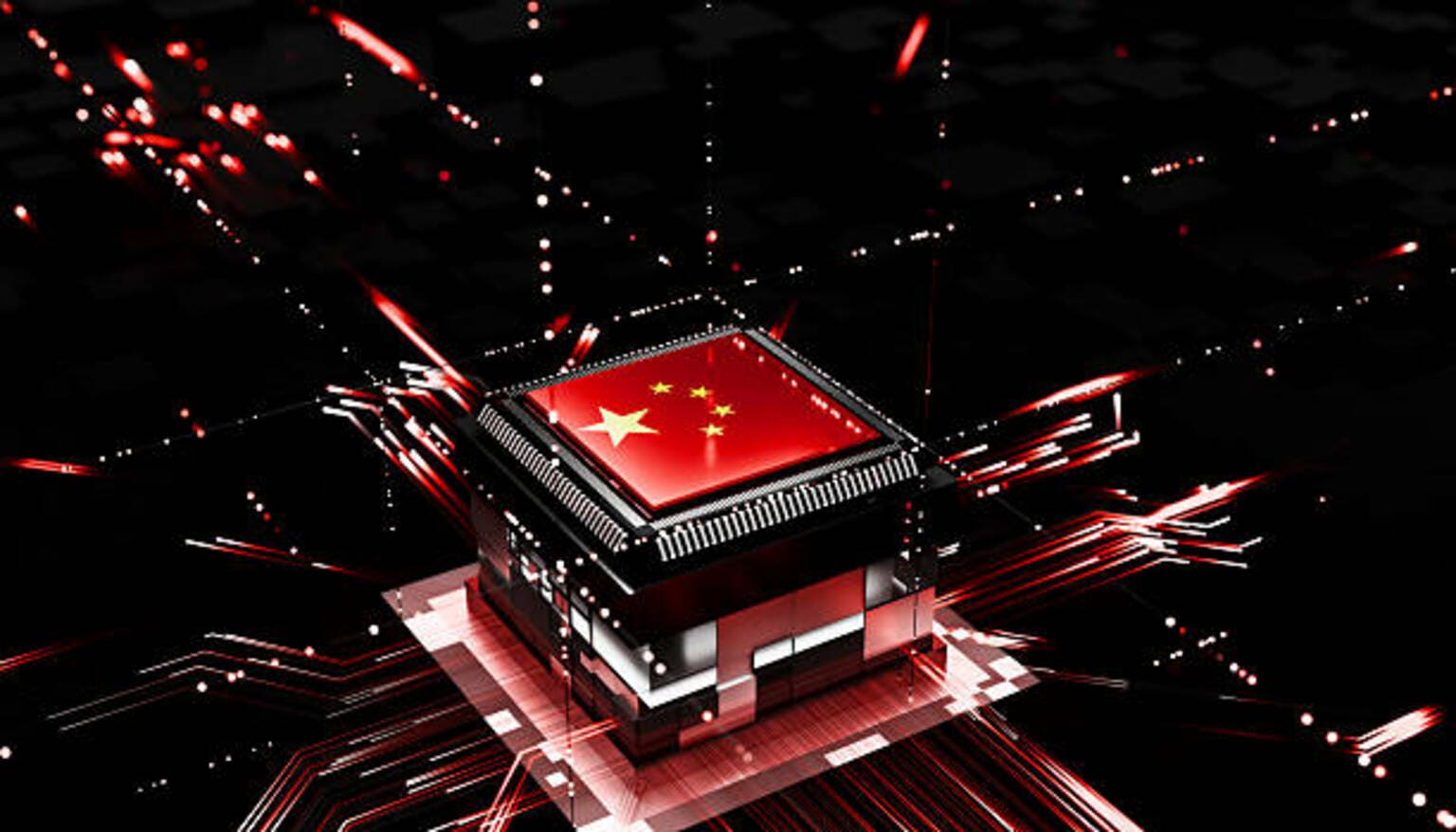
Chinaâs export engine remains strong, helped by demand tied to the AI boom. TD Asset Management's Haining Zha discusses what that means for investors and for AI investment opportunities.
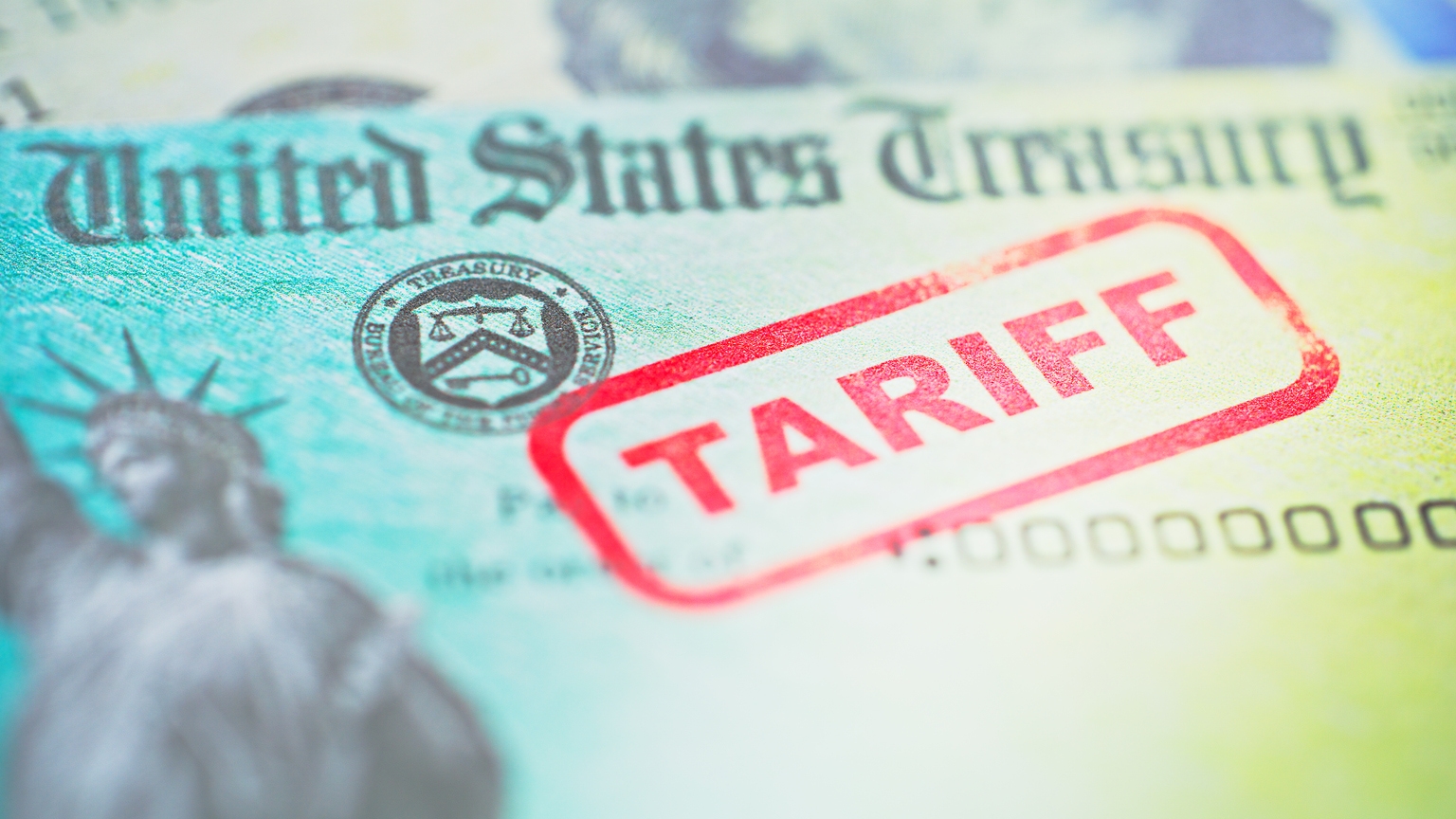
Just when it seemed the summer break was within reach, a new round of trade tensions is already looming.

Following the outbreak of war in the Middle East on 28 February, oil prices rose sharply and travel was disrupted due to safety concerns. Read more here.
Crude surged another $6.82 this week to $89.31 - the high back to May - while boosting y-t-d gains to 55%. Read more here.
Just when it seemed the summer break was within reach, a new round of trade tensions is already looming.

Wall Street economists can spend all day debating what the Federal Reserve might do, whether inflation is really defeated, and whether the economy is heading toward a soft landing, a hard landing, or some newly invented

The Bank of Japan is expected to keep rates unchanged on 31 July after last monthâs 25bp hike to 1.00%.
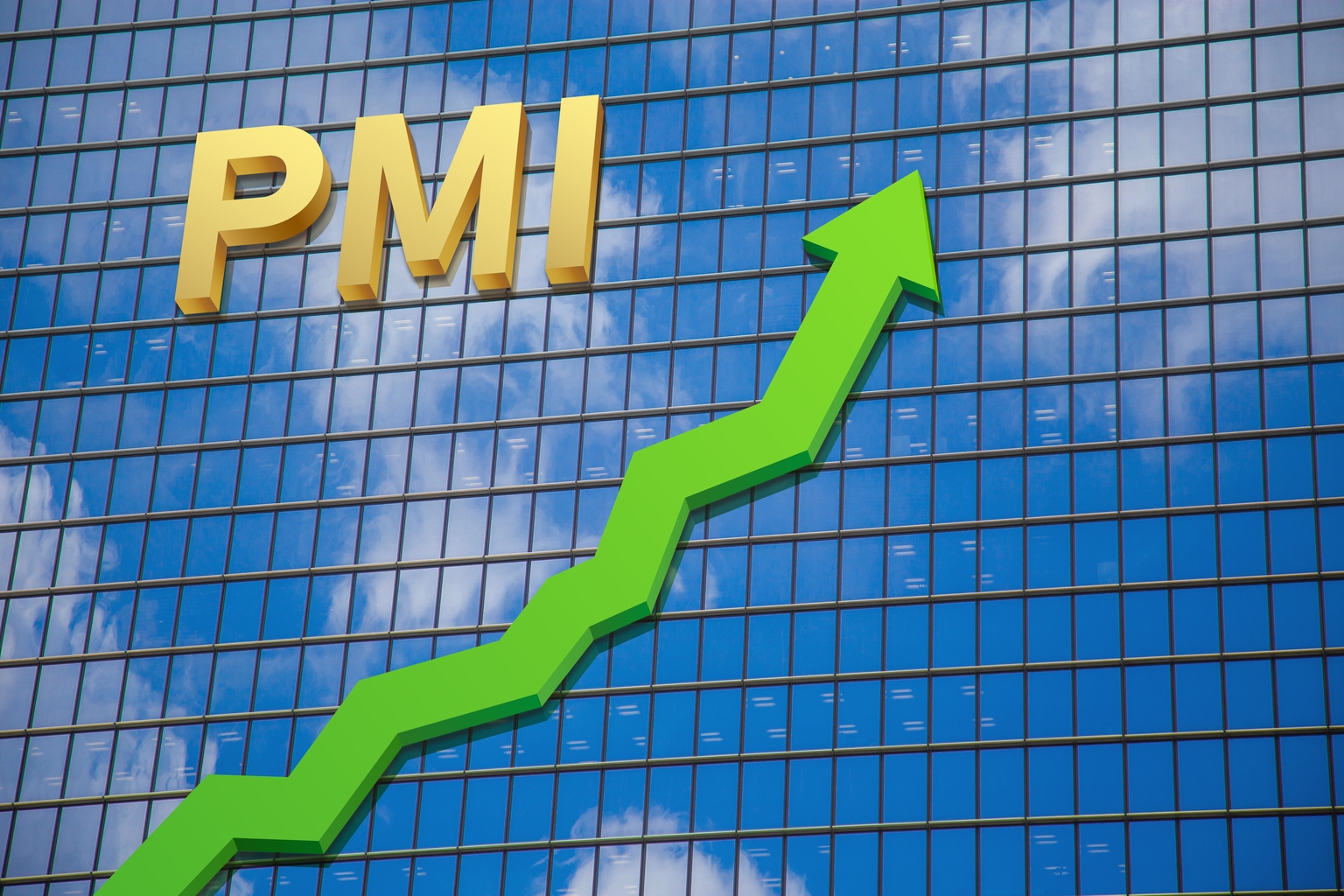
S&P Globalâs flash PMI surveys showed economic growth across major developed economies strengthening in July to signal encouraging resilience in face of ongoing conflict in the Middle East.
Crude surged another $6.82 this week to $89.31 - the high back to May - while boosting y-t-d gains to 55%. Read more here.

Business activity growth accelerated for a second consecutive month in July, signalling firmer GDP growth at the start of the third quarter. Read more here.
Just when it seemed the summer break was within reach, a new round of trade tensions is already looming.
Although output growth has shown resilience in recent months, scratch the surface and we start to see some warning signals. Read more here.
Following the outbreak of war in the Middle East on 28 February, oil prices rose sharply and travel was disrupted due to safety concerns. Read more here.

New orders growth among the AI developers has been faster than that seen globally in five successive months, helped by a better export performance. Read more here.
The Bank of Japan is expected to keep rates unchanged on 31 July after last monthâs 25bp hike to 1.00%.
Wall Street economists can spend all day debating what the Federal Reserve might do, whether inflation is really defeated, and whether the economy is heading toward a soft landing, a hard landing, or some newly invented
S&P Globalâs flash PMI surveys showed economic growth across major developed economies strengthening in July to signal encouraging resilience in face of ongoing conflict in the Middle East.
Crude surged another $6.82 this week to $89.31 - the high back to May - while boosting y-t-d gains to 55%. Read more here.
Business activity growth accelerated for a second consecutive month in July, signalling firmer GDP growth at the start of the third quarter. Read more here.
Just when it seemed the summer break was within reach, a new round of trade tensions is already looming.
Although output growth has shown resilience in recent months, scratch the surface and we start to see some warning signals. Read more here.
Following the outbreak of war in the Middle East on 28 February, oil prices rose sharply and travel was disrupted due to safety concerns. Read more here.
New orders growth among the AI developers has been faster than that seen globally in five successive months, helped by a better export performance. Read more here.

https://www.reuters.com/business/finance/jpmorgan-other-us-banks-set-help-finance-japans-550-billion-us-investment-plan-2026-07-21/
Just when it seemed the summer break was within reach, a new round of trade tensions is already looming.
https://www.youtube.com/watch?v=GfS1PvkbsKw
– Reuters cites Houthi statement
S&P Globalâs flash PMI surveys showed economic growth across major developed economies strengthening in July to signal encouraging resilience in face of ongoing conflict in the Middle East.

KSA offers liquid, cap-weighted exposure to Saudi equities, heavily skewed toward financials and the oil value chain. Read more on the KSA ETF here.
https://www.bloomberg.com/news/articles/2026-07-23/asian-oil-buyers-in-talks-with-saudis-to-reroute-red-sea-flows
https://www.wsj.com/world/middle-east/trump-approves-landmark-nuclear-deal-with-saudi-arabia-in-big-win-for-kingdom-2ed77584?